01
Can you taste the age?
Compare colour, fruit, acidity, tannin and texture. Learn which clues suggest a younger or more mature wine, then put what you notice into a short tasting note.
The science of aging · In English
The science of aging, in your glass.
What does time do to wine? Compare young and mature whites and reds, including wines aged around 30 years.
Register your interest for updates. No booking or payment is taken.
What to expect
Beginners welcome. Bring your curiosity; Ian will guide the tasting and introduce the language as you go.
01
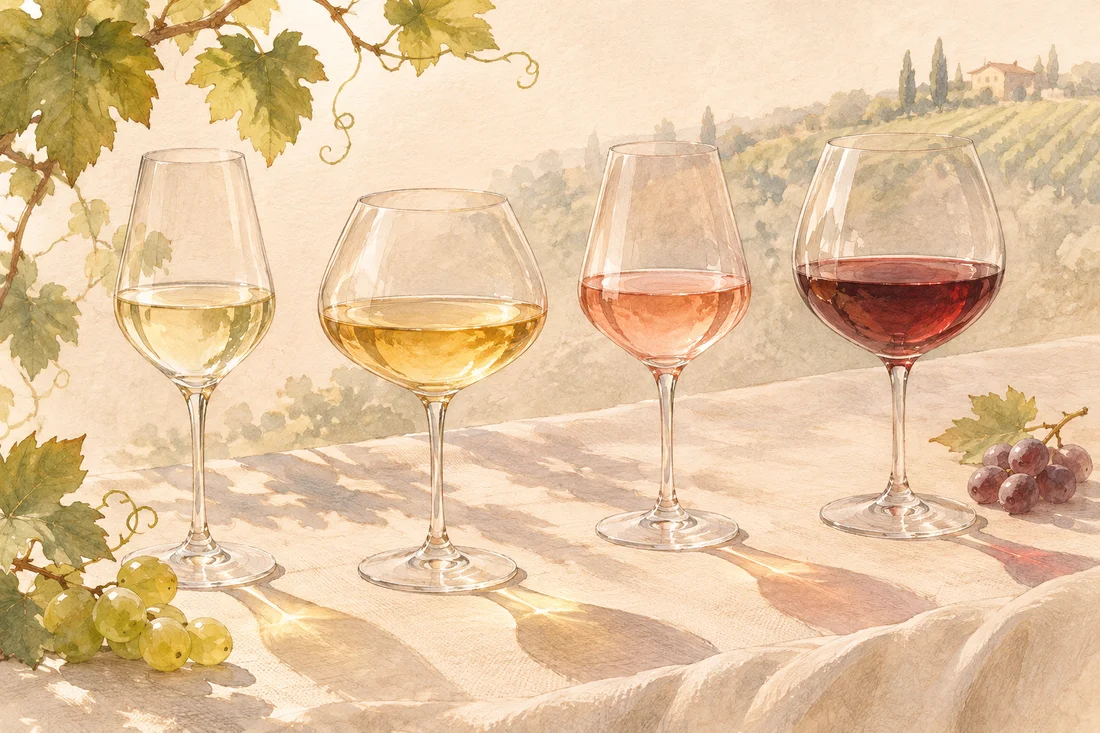
Compare colour, fruit, acidity, tannin and texture. Learn which clues suggest a younger or more mature wine, then put what you notice into a short tasting note.
02
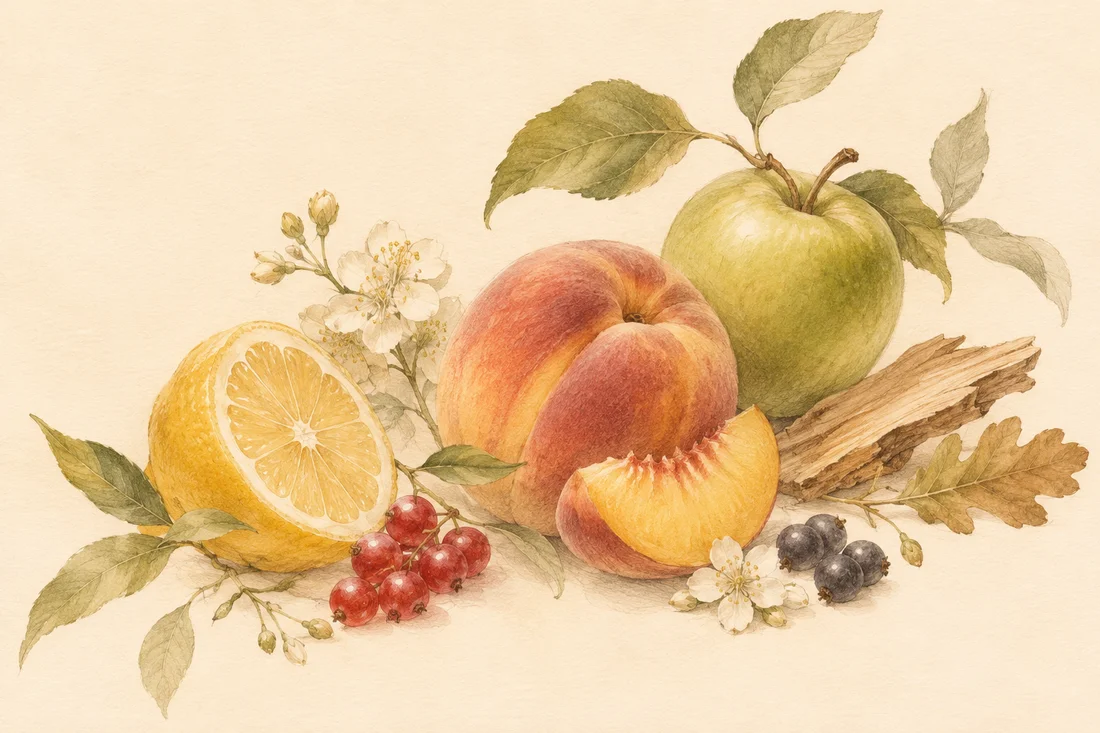
Explore primary fruit and floral characters, secondary characters from winemaking, and tertiary notes that develop with age. Taste how their balance shifts, from fresh fruit towards impressions such as dried fruit, nuts, tobacco or forest floor.
03
Connect changes in aroma and texture to the chemistry of aging, explained through the wines in front of you. Explore why varieties, terroir, blends and winemaking can lead to different aging curves. A curve is a useful guide, not a guaranteed drinking deadline.
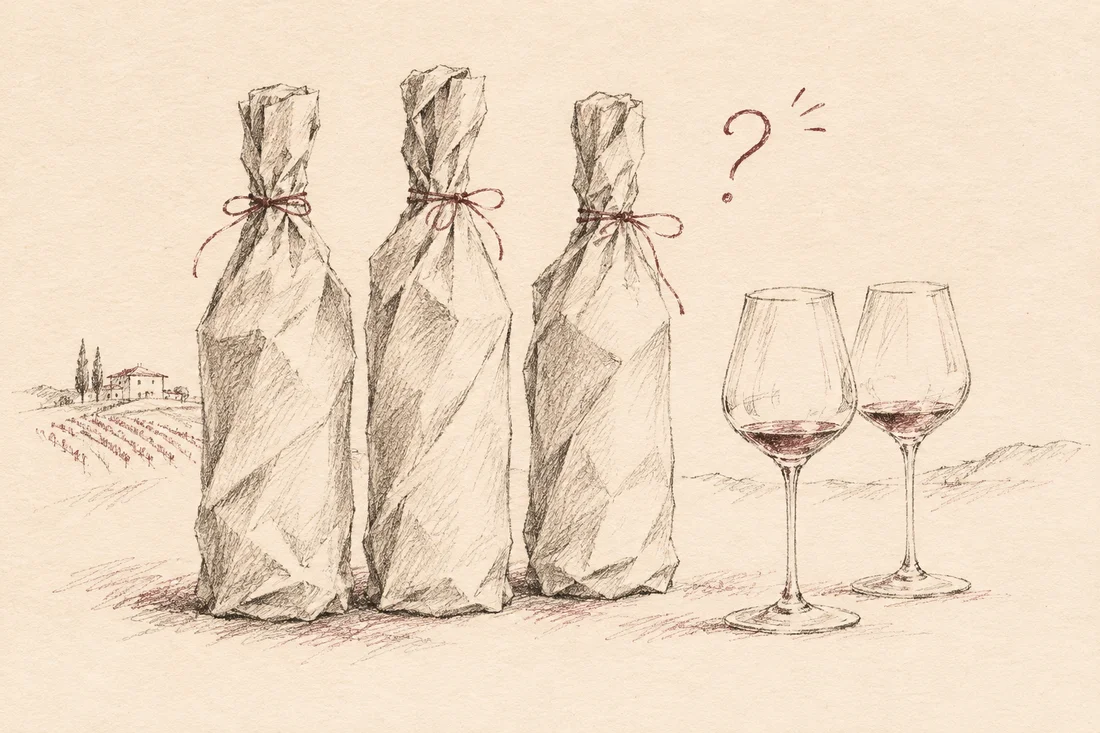
04
Revisit a selection semi-blind and compare preferences. We will discuss what makes a bottle enjoyable now and what might develop with time. Older is not automatically better; finding your preferred stage is part of the evening.
What you’ll take away
Spot signs of maturity, describe how a wine has evolved, and build a practical framework for deciding what you enjoy drinking young or aged.
A review pack by email helps you revisit the wines and key ideas afterwards.
Good company
Come on your own or with a friend. There is time to compare impressions, ask questions and get to know the people around you.
We recommend spitting as you taste. You’re also welcome to sip and enjoy the wine at your own pace.
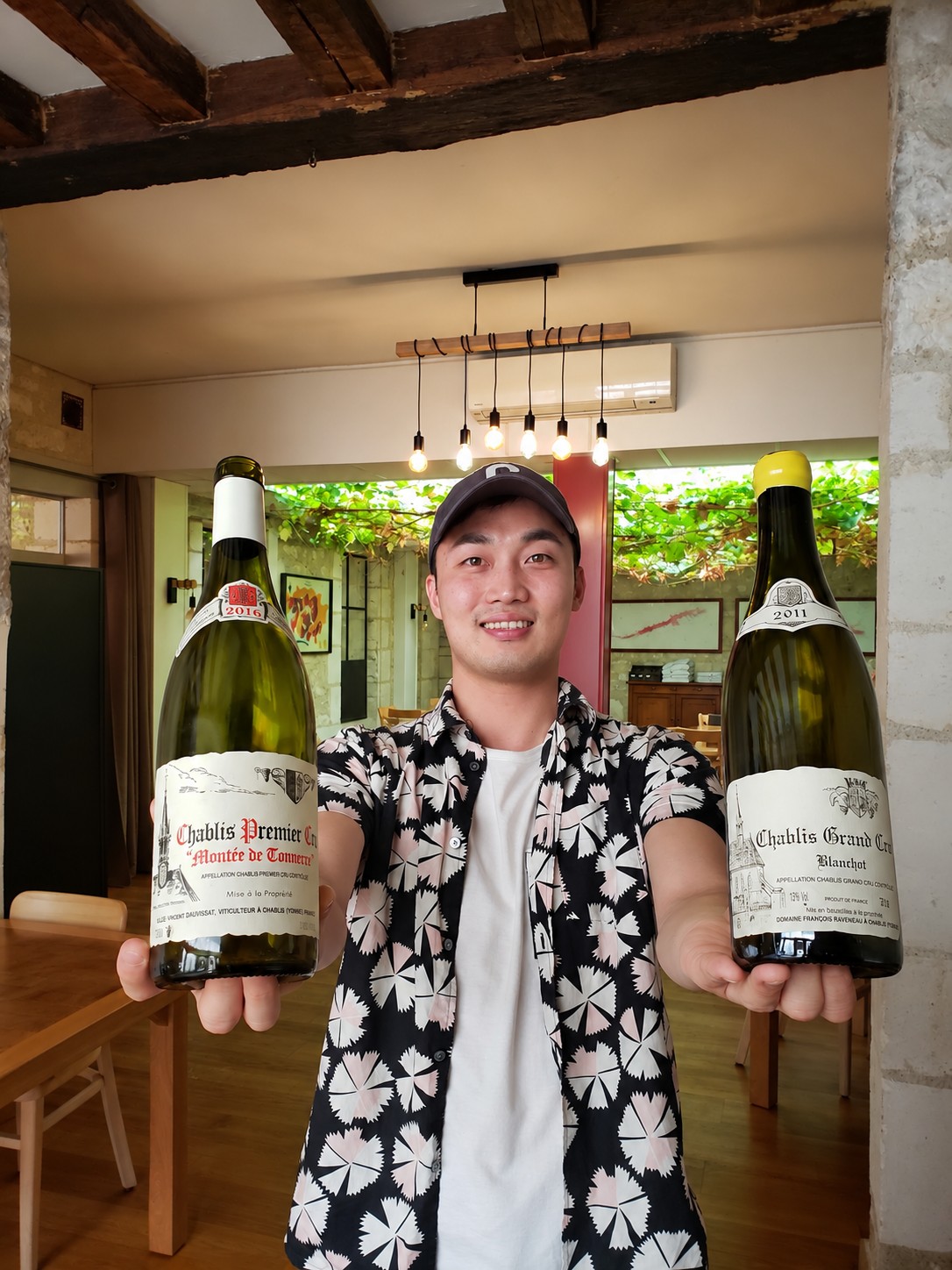
I’ve hosted wine dinners and tastings in New York and Sydney. WSET Level 3 with Distinction. I’ve worked as a cellar hand in Australia, operated a premium wine subscription startup and guided private and group fine-wine tours across Australia and Europe.
More about Ian ↗Date and time are TBD. Register your interest to hear more when details are confirmed.
In English. Beginners welcome.
Food and water will be provided. The focus is on the wine. Specific wines, glassware and the running order may vary.
Registering interest does not reserve a place and no payment is taken. Ian reviews your application and gets back to you. If approved and a place is available, Ian emails the final price and payment instructions. Your place is confirmed after Ian receives payment and sends confirmation.
No prior wine knowledge is needed. You should be comfortable following a conversation in English, but you do not need perfect grammar or wine vocabulary.
Food and water will be provided. The focus is on the wine.
No. We recommend spitting as you taste. You’re also welcome to sip and enjoy the wine at your own pace. Events are for adults aged 19 and over.